Today our plans were thwarted not once but twice. We had booked a slot to go and tour the Cathedral in Sevilla as well as the historic royal palace, but they cancelled on us as all the tours were full. Not sure how they can issue you tickets and then cancel on you but there you go. Lucky for us we are back in Sevilla next Thursday night for a few days, so we have booked for the tours on Friday.
We decided to loiter around Bollullos with the guys and soak up the atmosphere and their company along with the most magnificent weather. We walked around the community with the guys and the dogs and then decided we would try a game of paddle ball which is very popular in Europe. Once again though, we were thwarted. We went to three different court facilities, and all were closed. Alas, dear Roderick, it was not to be. Paddle Ball and Pickleball are two distinctly different games, and we were very interested to see how this game of paddle ball was played. Oh well, that will be another item on our to do list for when we get back here at the end of the week.
So, our day ended up more of an R&R Day with the focus more on the first R. It gave us time to start organizing our bags for our next foray starting tomorrow with a train trip to Cordoba which is the region of Andalusia.
Many of you will recognize the word Andalusian due to the horse breed and we are in that region of Spain. These are also the horses that you see in Vienna at the famous riding school. We won’t be seeing any of them on this trip but thought it would be nice to pay homage to them considering we are in the area that they come from. These guys really stand out due to their size.
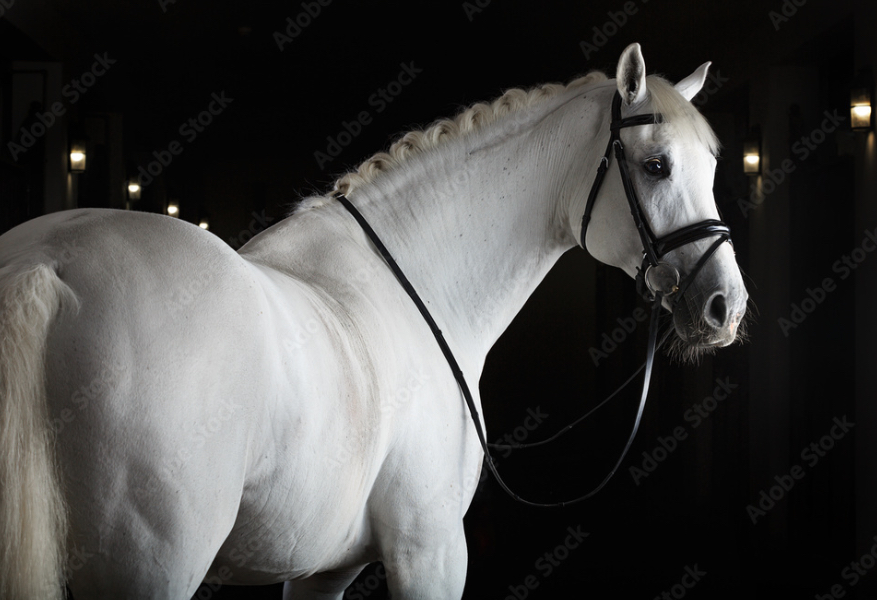
The Andalusian, also known as the Pure Spanish Horse or PRE (pura raza española), is a horse breed from the Iberian Peninsula, where its ancestors have lived for thousands of years. The Andalusian has been recognized as a distinct breed since the 15th century, and its conformation has changed very little over the centuries. Throughout its history, it has been known for its prowess as a war horse, and was prized by the nobility. The breed was used as a tool of diplomacy by the Spanish government, and kings across Europe rode and owned Spanish horses. During the 19th century, warfare, disease and crossbreeding reduced herd numbers dramatically, and despite some recovery in the late 19th century, the trend continued into the early 20th century. Exports of Andalusians from Spain were restricted until the 1960s, but the breed has since spread throughout the world, despite their low population. In 2010, there were more than 185,000 registered Andalusians worldwide.
Watch this space for our next adventures.
OOOps, forgot to mention that the step count was 10,126.
 Rowkin Rovings Blog